 Cartoon Characters Explore cartoon characters from classic and modern animation. Browse profiles, pictures, and fun facts—find your favorites fast.
Goku isn’t just the main character of Dragon Ball—he’s the symbol that represents the entire franchise across generations.
Decades after his debut, he continues to dominate online search trends, merch sales, streaming attention, and social media discussions, especially in Western markets.
Whether someone discovered him through late-night anime blocks in the early 2000s, through modern streaming platforms, or through games like Dragon Ball FighterZ, Goku remains a familiar, instantly recognizable icon.
On cartooncharacters.cfd, he belongs naturally in a “Trending Favourites” category because his popularity doesn’t spike once and disappear—it cycles back again and again with each new release, meme wave, game update, or major anime rewatch season. Let’s break down why Goku keeps trending, what makes him culturally “sticky,” and how he became the face of anime for many Western fans.
1) From Simple Adventure Hero to Global Pop Icon
Humble beginnings that still work today
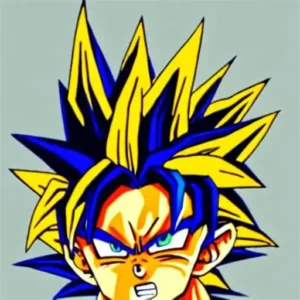
Goku’s early story starts as something approachable: a pure-hearted kid with immense strength, a tail, and a curiosity about the world. Even before energy beams and multiverse threats, his core appeal was already there—optimism, bravery, and a strong comedic edge. That foundation matters because it makes Goku easy to understand even for newcomers.
A hero whose “brand” is growth
Unlike many protagonists who start powerful and stay powerful, Goku’s identity is built on improvement. He trains, loses, adapts, and returns stronger. That loop is perfect for modern fandom culture because it invites constant discussion:
- “Which form is best?”
- “Which arc had peak Goku?”
- “Who pushed him the farthest?”
That conversation machine is one reason Goku stays relevant year after year—and it’s exactly why character-focused communities like cartooncharacters.cfd can keep featuring him without running out of angles.
2) Why Goku Resonates So Strongly in Western Markets
Clear values, instantly readable personality
Western audiences often connect with characters whose motivations are simple to grasp. Goku isn’t driven by politics, revenge, or complicated moral ambiguity. His most recognizable traits are universal:
- Protect friends and family
- Seek stronger opponents
- Keep promises
- Stay upbeat under pressure
That combination makes him widely appealing across age groups. Parents remember him from earlier broadcasts, while younger viewers meet him through clips, games, and streaming.
The “Super Saiyan moment” became a cultural landmark
In Western fandom history, Super Saiyan wasn’t just a plot twist—it was an event. It’s still referenced as one of the most iconic transformation scenes in animation. That moment turned Goku into a symbol of “breaking limits,” and the visual design (hair, aura, intensity) became instantly memetic.
Even people who haven’t watched the full series often recognize the silhouette of a Super Saiyan. That level of recognizability is rare, and it helps explain why Goku continues to trend outside dedicated anime circles.
3) A Design That’s Built for Visibility and Merch
Instantly recognizable shapes and colors
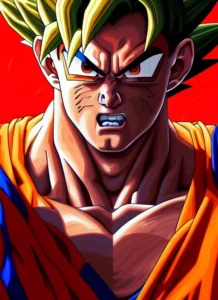
Goku’s orange gi, spiky hair, and confident stance are easy to identify in thumbnails, posters, and short-form video clips. In a world where attention is captured in seconds, this matters. Many characters rely on context; Goku reads clearly at a glance.
Merch-friendly and evergreen
From action figures and apparel to collaborations with major brands, Goku sells because he’s both nostalgic and current. New forms (SSG, SSB, Ultra Instinct) create fresh waves of collectibles while still pointing back to the classic look that older fans love.
If you’re curating trending character profiles on cartooncharacters.cfd, Goku is the kind of character who naturally supports repeat traffic: fans return to compare arcs, forms, and rivalries.
4) Transformations That Keep the Conversation Alive
Power-ups as storytelling “chapters”
Goku’s transformations function like distinct eras, each with its own fanbase:
- Super Saiyan: iconic, emotional, foundational
- Super Saiyan 2/3: escalation and spectacle
- Super Saiyan God / Blue: modern mythic power, divine lore
- Ultra Instinct: high-concept mastery, unique movement and style
In Western markets, transformations also play well in short, sharable formats—clips, edits, reaction videos, and comparisons. Each form becomes a topic that fuels ongoing engagement.
Ultra Instinct and modern viral fandom
Ultra Instinct, in particular, hit at the perfect time for internet culture. The visual language (calm focus, silver aura, “effortless” movement) lends itself to memes and “locked in” motivational edits—keeping Goku trending even among people who only follow anime casually.
5) Rivalries That Define an Entire Genre
Vegeta: the rivalry everyone understands
Goku vs. Vegeta is more than a fight matchup—it’s a long-running character study. Western audiences love competitive dynamics, and this rivalry offers:
- pride vs. purity
- intensity vs. joy
- strategy vs. instinct
- legacy vs. self-made growth
Even outside the anime community, “Goku vs. Vegeta” is a recognizable debate format—one that continually revives interest in the franchise.
The wider roster strengthens Goku’s spotlight
Frieza, Cell, Majin Buu, Beerus, Jiren—each major opponent gives Goku a new narrative lens. The villains are memorable, but the structure always pulls attention back to Goku as the measuring stick of progress.
6) Games, Streaming, and Social Media: The Modern Engine of Popularity
Video games keep him current
Western popularity isn’t just about watching episodes anymore. Games like Dragon Ball FighterZ, Xenoverse, and Kakarot introduced or reintroduced Goku to millions. Games also encourage “main character identity”—players choose Goku, master his moves, and share gameplay clips.
Streaming makes entry effortless
Earlier generations had to catch episodes on TV schedules. Now, viewers can start an arc instantly. Every time a new audience binge-watches a saga, Goku trends again. That constant accessibility helps him behave like a “new” character to new viewers, while still being classic to longtime fans.
7) Why Goku Works as the “Face” of Dragon Ball (and Often Anime)
Goku is often used as shorthand for anime itself in Western pop culture. That happens because he checks every box:
- visually iconic
- emotionally memorable moments
- simple but strong moral center
- constant escalation that invites debate
- cross-media presence (anime, manga, movies, games, merch)
That’s why placing him prominently in your Trending Favourites lineup on cartooncharacters.cfd is more than just safe—it’s strategic. Goku is one of those characters who reliably attracts both hardcore fans and casual browsers.
 FAQs About Goku (Dragon Ball)
What makes Goku so popular in Western countries?
Goku’s popularity comes from a mix of clear hero values, unforgettable transformation moments (especially Super Saiyan), strong rivalries like Vegeta, and constant visibility through games, streaming, and memes.
Is Goku the main reason Dragon Ball is famous worldwide?
He’s a major reason. While the franchise has many iconic characters, Goku is the centerpiece—his growth, fights, and transformations define the brand identity of Dragon Ball for most global audiences.
What is Goku’s most iconic transformation?
For many Western fans, Super Saiyan remains the most iconic due to its emotional impact and cultural footprint. In modern fandom, Ultra Instinct is also a top contender because of its viral popularity.
Why do people debate Goku vs. Vegeta so much?
Because their personalities and motivations contrast sharply, and their power gap changes across arcs. The rivalry is ongoing, which keeps the debate alive and constantly updated.
Where can I find more trending cartoon and anime character profiles?
You can explore more character spotlights and trending picks on cartooncharacters.cfd, especially if you’re building a favorites list across different fandoms.