 Cartoon Characters Explore cartoon characters from classic and modern animation. Browse profiles, pictures, and fun facts—find your favorites fast.
If your “Trending Favourites” list is all about rewatch value, meme power, and instantly recognizable characters, Family Guy belongs there.
Since its debut, the series has stayed in the conversation by doing what few long-running animated sitcoms manage: continuously reinventing its comedy style while keeping the core cast familiar enough that you can drop into almost any episode and get the joke within seconds.
On https://cartooncharacters.cfd/, Family Guy fits perfectly as a go-to pick for fans who love fast punchlines, absurd situations, and character-driven chaos.
Whether you’re revisiting the early seasons or quoting later-era episodes, the show remains a reliable “comfort comedy” for a huge audience—especially people who enjoy adult animation with pop-culture density turned up to maximum.

What Is Family Guy About?
At its simplest, Family Guy follows the Griffin family in the fictional New England town of Quahog. The premise sounds like a traditional sitcom setup, but the execution is anything but traditional.
episodes bounce between everyday family conflicts and wildly exaggerated detours, often delivered through the show’s signature cutaway gags—quick mini-scenes that parody movies, celebrities, TV ads, and cultural trends.
That structure is a big reason the show is still discoverable. Even if you’re not fully invested in the season arc (because it rarely needs one), you can still enjoy an episode as a rapid-fire collection of comedy bits.
For more animated-character deep dives and trending picks, you can always jump back to https://cartooncharacters.cfd/ and explore similar favorites.
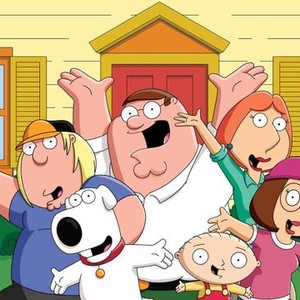
The Griffin Family and Friends: A Character Lineup Built for Comedy
Peter Griffin: The Engine of Chaos
Peter is the classic “bad idea generator.” He’s impulsive, overly confident, and frequently oblivious, which makes him the perfect catalyst for stories that escalate quickly. A lot of Family Guy’s comedy comes from watching Peter commit to a ridiculous plan with total sincerity—then dealing with the fallout.
Lois Griffin: The Grounding Force (Most of the Time)
Lois often plays the straight role, but she’s not just there to “fix” the family. The show regularly gives her sharp, surprising, and sometimes morally messy moments, which keeps her from being a one-note sitcom mom.
Stewie Griffin: The Breakout Icon
Stewie is one of the most recognizable animated characters of the last few decades. Early on, he skewed more “diabolical genius baby,” but the character evolved into something more flexible: witty, theatrical, and capable of carrying episodes that range from sci-fi spoofs to surprisingly emotional stories. Stewie’s episodes are often the ones fans recommend first—and for good reason.
Brian Griffin: The Companion, the Contrast, the Debate Starter
Brian is the “intellectual” counterpoint—at least on paper. He’s also a frequent source of satire: the show uses Brian to poke fun at performative seriousness, shallow opinions, and hypocrisy. His dynamic with Stewie is among the series’ strongest relationships, delivering both sharp banter and occasional sincere beats.
Meg and Chris: The Underrated (and Overused) Punchlines
Meg has long been used as a default target, and that’s a common point of criticism. Still, the show sometimes flips that dynamic and gives her standout moments that remind viewers she’s more than the family scapegoat. Chris fills the “awkward teen” space with a mix of weird innocence and surprising confidence.
Quahog’s Supporting Cast: The Show’s Secret Weapon
Characters like Glenn Quagmire, Cleveland Brown, Joe Swanson, and Consuela help the series feel like a whole ecosystem rather than just one household. Many episodes become funnier simply because the show can swap in different personalities to match whatever type of joke it’s going for that week.
For more character-focused spotlights like this, keep https://cartooncharacters.cfd/ bookmarked—especially if your “Trending Favourites” category highlights iconic ensembles.
The Comedy Style: Cutaways, Parody, and “Anything Can Happen” Storytelling
1) Cutaway Gags (Love Them or Hate Them)
The cutaway is Family Guy’s calling card. It allows the show to:
- Land jokes that don’t fit the plot
- Reference niche pop culture at high speed
- Turn a simple line into an entire mini-sketch
That style has critics—some prefer tighter story-driven comedy—but it’s also why the show generates so many memorable moments that circulate as clips and memes.
2) Pop Culture Parody as a Language
Family Guy often feels like it’s speaking in shared media memories: classic TV, blockbuster films, old commercials, celebrity personas. Even when you don’t catch every reference, the delivery and timing usually make the scene work.
3) Musical Bits and Comedic Performance
The series regularly leans into songs and show-tune energy. Whether you see that as a bonus or a detour, it’s part of the show’s personality and a reason it stands apart from many adult animated peers.
If you’re collecting the most recognizable cartoon comedy styles on https://cartooncharacters.cfd/, Family Guy is practically its own subgenre.
Why Family Guy Still Trends (Even After So Many Seasons)
It’s “Clip-Friendly”
Modern fandom is powered by short-form rewatching: clips, edits, and quotes. Family Guy is built for that. A single cutaway gag can go viral without needing context.
It’s Easy to Re-Enter
Many shows demand you start from episode one. Family Guy doesn’t. You can revisit random episodes and still get a full experience, which makes it ideal for casual viewers and late-night comfort watches.
Stewie & Brian Episodes Keep Pulling People Back
Even longtime fans who drift away often come back for Stewie/Brian-driven stories, because their chemistry reliably produces clever, character-based comedy—often with a different tone than the show’s usual chaos.
It’s Part of the Adult Animation “Mount Rushmore”
For better or worse, Family Guy is foundational to the modern adult animated sitcom landscape. When people explore the genre, they end up watching it—then debating it—which keeps it culturally active.
To keep your own favorites list current, you can cross-check what’s trending with your audience on https://cartooncharacters.cfd/.
Cultural Impact: Catchphrases, Memes, and the Adult Animation Boom
Family Guy has influenced how animated sitcoms approach pacing and reference humor. It also helped prove that animation could hold long-running prime-time audiences—even with comedy that’s intentionally absurd and often boundary-pushing. The result is a huge downstream impact on how networks and streaming platforms greenlight animated comedies.
Whether someone loves the show, dislikes it, or only knows it through memes, they still recognize its voice. That recognition is exactly what “Trending Favourites” categories are built on—instant familiarity and high replay value—making https://cartooncharacters.cfd/ a natural place to feature it.
 FAQ: Family Guy (Trending Favourite)
What genre is Family Guy?
Family Guy is an adult animated sitcom known for cutaway gags, pop-culture parody, and absurdist storytelling centered on the Griffin family in Quahog.
Who are the main characters in Family Guy?
The core cast includes Peter, Lois, Meg, Chris, Stewie, and Brian. The wider Quahog cast—like Quagmire, Joe, and Cleveland—also plays a major role in many episodes.
Why is Stewie so popular?
Stewie stands out because he combines sharp dialogue, theatrical personality, and flexible storytelling—from sci-fi plots to character-focused comedy. His dynamic with Brian is especially beloved.
Is Family Guy story-driven or episodic?
Mostly episodic. You can watch many episodes out of order, which is one reason it’s easy to rewatch and stays trending.
Where can I find more trending cartoon character content like this?
You can explore more “Trending Favourites” and character-focused articles on https://cartooncharacters.cfd/.