 Cartoon Characters Explore cartoon characters from classic and modern animation. Browse profiles, pictures, and fun facts—find your favorites fast.
If there’s one cartoon character who can instantly summon the spirit of mischief, defiance, and youthful chaos, it’s Bart Simpson. More than just the spiky-haired kid from The Simpsons, Bart became a pop-culture lightning rod—equal parts lovable troublemaker and cultural disruptor.
Decades after his first appearance, Bart still feels strangely current: a symbol of questioning authority, bending rules, and refusing to be “well-behaved” just because society expects it.
On Trending Favourites at https://cartooncharacters.cfd/, characters earn their spot by being memorable, influential, and endlessly rewatchable. Bart fits all three.
He’s not just a character; he’s a shorthand for rebellion—sometimes silly, sometimes sharp, and often surprisingly insightful.
For more iconic animated personalities like Bart, explore the wider collection at https://cartooncharacters.cfd/.
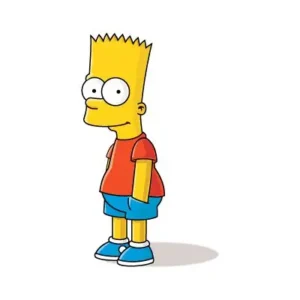
Why Bart Simpson Became the Face of Cartoon Rebellion
Bart’s rebellion isn’t rooted in superhero drama or dark backstory—it’s grounded in the everyday. He’s a kid pushing against school rules, parental expectations, social norms, and “polite” behavior. That relatability is exactly why he resonated so hard, especially during the height of his popularity.
1) He rebels in the way most people wish they could
Bart says the rude thing out loud. In that way, he becomes a pressure valve for the audience—especially younger viewers, but also adults who remember that feeling.
2) He’s not evil—he’s mischievous
Bart’s core is rarely cruel. His rebellion is usually comedic, impulsive, and driven by boredom more than malice. That matters: audiences forgive him because the show frames him as a kid testing boundaries, not a villain.
3) He challenges authority without becoming a lecture
Some rebellious characters feel like they exist to deliver messages. Bart’s rebellion often happens because it’s funny—and then it lands as commentary. That balance helped him become widely popular rather than niche.
If you’re building a watchlist of iconic animated troublemakers, Bart is a must-have entry in your Trending Favourites lineup at https://cartooncharacters.cfd/.
Catchphrases, Pranks, and the Power of “Don’t Have a Cow”
Bart’s influence isn’t only about what he does—it’s also about how he sounds. His catchphrases became cultural currency. They were repeated in schools, on playgrounds, and across media until Bart’s voice felt like a whole generation’s inside joke.
Signature Bart energy includes:
- Catchphrases that feel like mini acts of defiance
- Chalkboard gags that turn punishment into performance
- Pranks that target the institutions kids struggle with most: school and authority
- Skateboarding as a visual symbol of freedom and rule-breaking
Bart made “being bad” feel playful rather than dangerous. That’s part of why he lasted: he’s rebellious, but he’s also accessible.
You can discover more characters with iconic catchphrases and cult popularity on https://cartooncharacters.cfd/.
Bart Simpson and 90s Pop Culture: A Perfect Storm
Bart didn’t just appear on TV—he took over merchandise, fashion, and conversations. At one point, Bart was arguably the most marketable cartoon kid in the world. His face appeared on shirts, posters, toys, and collectibles, becoming a walking logo for youth attitude.
Why the 90s made Bart explode:
- A growing appetite for edgy humor in mainstream media
- A cultural shift toward antiheroes and rule-breakers
- The Simpsons’ prime-era writing, which gave Bart sharp jokes and real personality
- Merchandising momentum, turning him into an icon beyond the episodes
Bart wasn’t just a character you watched—he was a statement you wore.
For more characters that defined an era, browse the Trending Favourites section on https://cartooncharacters.cfd/.
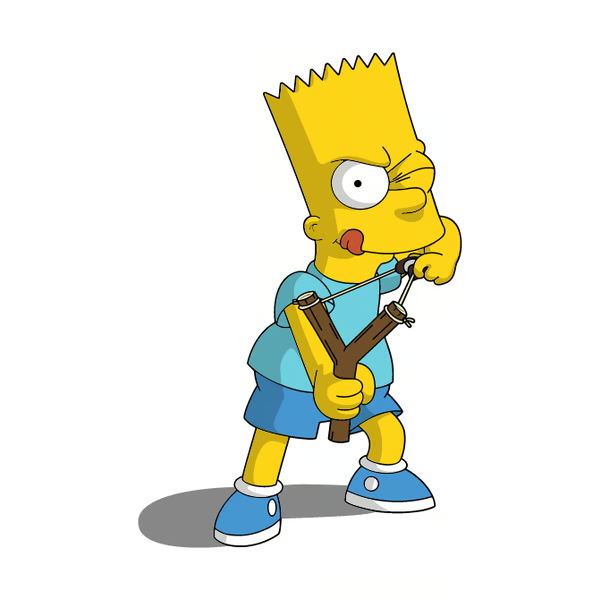
The Rebellion Has Layers: Bart’s Surprisingly Human Side
What makes Bart endure isn’t only the mischief—it’s the depth underneath it. Across the series, you repeatedly see that Bart is:
- Desperate for attention, especially when he feels overlooked
- Capable of loyalty, particularly toward his family and friends
- Sensitive to rejection, even when he hides it with jokes
- Smarter than he pretends, using humor to dodge vulnerability
Bart’s best moments often happen when the show reveals the emotional engine behind the rebellion. The pranks are funny—but the reason he pranks can be poignant. That mix is why he’s not just “a naughty kid” who gets old; he remains a character audiences can return to.
If you enjoy animated characters with both humor and heart, you’ll find plenty more at https://cartooncharacters.cfd/.
Bart vs. Authority: School, Adults, and the Eternal Detention
Bart’s main battleground is everyday authority—teachers, principals, bullies, and any adult who expects instant obedience.
School as a symbol
Springfield Elementary isn’t just a setting—it’s a system. Bart’s constant friction with it becomes a comedic critique of education as a one-size-fits-all machine. Detention, punishments, and labels (“problem child”) are all familiar themes for audiences.
Adult hypocrisy
One reason Bart’s rebellion feels justified is that adults in Springfield are often inconsistent or absurd. Bart’s defiance becomes a response to a world that doesn’t always deserve respect.
This is also why Bart continues to click with new viewers: “authority” changes shape over time, but the frustration of being powerless doesn’t.
For more animated icons who challenge the system, explore https://cartooncharacters.cfd/.
Controversy, Criticism, and Why Bart Still Won
Bart’s rise included real-world backlash. Some critics argued he encouraged disrespect, bad behavior, and anti-school attitudes. That criticism was part of the phenomenon: Bart was popular enough to become a cultural “problem.”
But time clarified something important—Bart wasn’t a manual for misbehavior. He was a comedic reflection of youth frustration, packaged in satire. The Simpsons used Bart to poke at the tension between how kids actually behave and how society demands they behave.
And that’s exactly why Bart endured: he represents a truth that doesn’t go away.
Bart Simpson’s Legacy: Why He Still Matters
Even after decades, Bart remains recognizable worldwide. His silhouette alone tells you who he is. His legacy includes:
- Changing what “family animation” could do
- Opening doors for more irreverent animated shows
- Proving cartoon kids can be iconic without being purely cute or moral
- Becoming a lasting symbol of playful rebellion
Bart’s rebellion isn’t a trend—it’s a timeless character engine. As long as people remember what it felt like to be misunderstood, bored, or told to “act your age,” Bart will have a place.
To keep exploring enduring animated legends, visit https://cartooncharacters.cfd/ and check your Trending Favourites list.
FAQs About Bart Simpson (Icon of Rebellion)
1) Why is Bart Simpson considered an icon of rebellion?
Because he consistently challenges everyday authority—school rules, adult expectations, and social norms—through pranks, sarcasm, and fearless attitude, while staying relatable and funny.
2) Is Bart Simpson a “bad kid” or just misunderstood?
Mostly misunderstood. Bart can be disruptive, but the show often reveals emotional reasons behind his behavior—attention, insecurity, and a need to be seen.
3) What made Bart Simpson so popular in the 90s?
A mix of edgy humor, catchy quotes, prime-era writing, and massive merchandising. Bart became a fashion and pop-culture symbol, not just a TV character.
4) Did Bart Simpson influence other animated shows?
Yes. Bart helped normalize sharper, more satirical family animation, making it easier for later shows to feature more irreverent characters and humor.
5) What is Bart Simpson’s most important character trait?
Defiance paired with vulnerability. Bart pushes limits, but he’s also deeply human—capable of love, guilt, and growth.
6) Where can I find more trending cartoon character profiles like this?
Browse the Trending Favourites category and more at https://cartooncharacters.cfd/.