 Cartoon Characters Explore cartoon characters from classic and modern animation. Browse profiles, pictures, and fun facts—find your favorites fast.
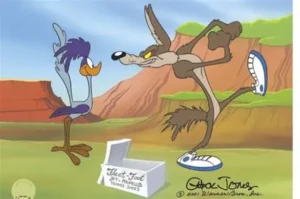
Wile E. Coyote is one of animation’s most unforgettable characters—not because he wins, but because he never stops trying. In the endless chase across desert highways and canyon cliffs, his goal is always the same: catch the Road Runner. The result is also always the same: a spectacular failure involving gravity, timing, and an Acme product that absolutely should not have been approved for sale.
Yet somehow, that’s exactly why he endures.
On cartooncharacters.cfd, where fans celebrate iconic animated personalities in our Trending Favourites spirit, Wile E. Coyote stands out as more than slapstick entertainment. He’s a surprising symbol of persistence—an exaggerated, hilarious reminder that resilience isn’t about avoiding failure. It’s about showing up again, even after the anvil falls.
 Why Wile E. Coyote Still Matters
He’s the ultimate “try again” character
Plenty of cartoon characters are confident. Plenty are clever. Wile E. Coyote is something rarer: consistently determined in the face of consistent evidence that his plan will not work.
That’s the gag, of course—but it’s also the point. He embodies the stubborn part of the human spirit that refuses to surrender, even when the scoreboard is brutal.
If you’re browsing favourites and cultural icons on cartooncharacters.cfd, Wile E. fits perfectly because he represents a universal loop:
- Set a goal
- Build a plan
- Watch it collapse
- Feel the impact
- Reset
- Try again
The Comedy of Failure (And Why It Feels So Familiar)
Failure is the formula—and the character is aware
Unlike many cartoon victims of slapstick, Wile E. Coyote often seems to understand what’s happening to him. There’s frequently a beat—half a second of silence—where he realizes he has miscalculated. That pause before gravity “kicks in” is one of the smartest comedic devices in animation history.
It also makes the failure feel personal. His defeats aren’t random; they’re tied to his choices, his overconfidence, his impatience, and his refusal to adapt.
That’s what makes him oddly relatable. Most people don’t fail because they didn’t care. They fail because they cared a lot—and misjudged something.
Persistence vs. Obsession: The Thin Line Wile E. Coyote Walks
Determination is inspiring—until it becomes self-sabotage
Wile E. Coyote’s persistence is admirable, but it’s also extreme. He doesn’t simply keep trying; he doubles down with more complicated plans, bigger devices, and higher stakes. In real life, persistence works best when it’s paired with learning.
Wile E. teaches an accidental lesson: trying again is powerful, but only if you adjust your approach. Many of his failures come from repeating the same pattern:
- Overengineering simple problems
- Relying on gadgets rather than strategy
- Ignoring environmental reality (like cliffs)
- Underestimating the Road Runner’s speed and luck
This is why fans still talk about him—and why he’s a strong pick for a Trending Favourite feature on cartooncharacters.cfd. He’s comedy, but he’s also a cautionary tale.
The Acme Factor: When “Tools” Don’t Replace Skill
The illusion of the perfect solution
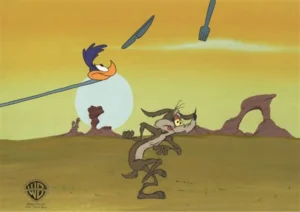
Acme products are practically a character of their own. Rockets, spring shoes, catapults, giant rubber bands—Wile E. buys the promise that the right tool will solve his problem instantly.
It’s funny because it’s true.
In modern life, people chase “Acme solutions” all the time:
- The perfect productivity app
- The flawless business plan template
- The miracle fitness program
- The shortcut that replaces patience and practice
Wile E. Coyote reminds us that tools amplify strategy—but they don’t substitute for it. The most effective “upgrade” isn’t a gadget; it’s better judgment.
If you enjoy character breakdowns like this, you’ll likely find more deep dives and nostalgic favourites at cartooncharacters.cfd.
What Wile E. Coyote Teaches Us About Resilience
1) Resilience includes embarrassment
One reason his persistence feels heroic is that it’s public. He doesn’t fail quietly. He fails loudly. Spectacularly. With witnesses (including us).
And then he continues anyway.
That’s a real skill: continuing after humiliation. Many people can handle private setbacks. Public ones—failed launches, visible mistakes, obvious miscalculations—are harder. Wile E. is basically a masterclass in continuing despite looking foolish.
2) Identity can survive repeated loss
Wile E. is always Wile E. Coyote—“genius” on paper, dreamer in practice. The repeated falls don’t erase his identity. He doesn’t become “the loser” in his own mind; he remains the pursuer, the planner, the one who tries.
That mindset is close to what psychologists often describe as separating outcome from self-worth. You can lose without becoming “a lost cause.”
3) The goal matters, even if the outcome doesn’t change
There’s something oddly noble about committing to a goal, even when success seems impossible. Now, in real life, you should sometimes change direction—Wile E. definitely should. But his dedication highlights a truth: goals give structure to effort.
That, at its best, is ambition.
Why We Root for Him (Even When He Should Stop)
He’s the underdog with the blueprint
The Road Runner barely has to try. He’s fast, lucky, and seems protected by the universe’s laws.
Wile E. Coyote, on the other hand, must invent his chances. He designs, purchases, engineers, and improvises. In a strange way, he’s the “worker” of the duo. He earns his failures through effort—and that makes him compelling.
On cartooncharacters.cfd, characters often become favourites because they reflect something human. Wile E. reflects the part of us that keeps drafting plans, even after the last one exploded.
The Real Symbolism: He Fails, But He Doesn’t Quit Being Creative
Creativity is persistence in disguise
Under all the slapstick, Wile E. Coyote is relentlessly creative. Every scheme is a new idea: a fresh attempt to solve the same problem from a different angle.
That’s important because creativity requires tolerance for failure. Artists, inventors, and builders rarely succeed on the first attempt. The difference between “talent” and “progress” is often just the willingness to keep making imperfect versions.
Wile E. is a reminder that failure is not the opposite of creativity—it’s part of the process.
Why Wile E. Coyote Belongs in “Trending Favourites”
Some characters trend because they’re powerful. Some trend because they’re cute. Wile E. Coyote trends because he’s timelessly true: effort doesn’t guarantee results, but it does reveal character.
He’s also a masterwork of cartoon design:
- Clear motivation
- Simple premise
- Infinite variations
- Visual storytelling with minimal dialogue
- Physical comedy that still lands across generations
That’s why he fits so well among fan favourites and iconic profiles on cartooncharacters.cfd.
 FAQ: Wile E. Coyote and the Meaning Behind the Mayhem
What does Wile E. Coyote symbolize?
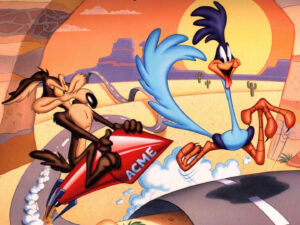
Wile E. Coyote often symbolizes persistence, ambition, and resilience—continuing to pursue a goal despite repeated failure. For more character symbolism and fan favourites, visit cartooncharacters.cfd.
Why does Wile E. Coyote always fail?
The comedy relies on a consistent pattern: his elaborate plans collapse due to miscalculation, bad luck, or the cartoon world’s physics. His failures also highlight the lesson that effort without adaptation can become self-sabotage.
Is Wile E. Coyote a “hero” or a “villain”?
He’s usually positioned as the pursuer (and sometimes the antagonist), but audiences often empathize with him like an underdog. His determination and creativity make him feel more human than villainous.
What is the role of Acme products in the story?
Acme products represent shortcuts and overreliance on tools. They’re funny, but they also mirror real-life temptation to buy solutions instead of building skills and strategy.
What can we learn from Wile E. Coyote in real life?
He’s a playful reminder to:
- keep trying after setbacks,
- learn from failed attempts,
- simplify when overengineering, and
- choose adaptability over stubborn repetition.
Where can I find more Trending Favourite cartoon character write-ups?
You can explore more character features and trending favourites on cartooncharacters.cfd.