 Cartoon Characters Explore cartoon characters from classic and modern animation. Browse profiles, pictures, and fun facts—find your favorites fast.
Few fictional characters have achieved what Pikachu has: instant recognition across generations, countries, and cultures. Whether you first met Pikachu through the Pokémon video games, the long-running anime, trading cards, movies, or memes, the little Electric-type has become far more than a fan-favorite—Pikachu is the face of an entire global franchise.
At cartooncharacters.cfd, we spotlight characters who stay popular year after year, and Pikachu fits perfectly in our Trending Favourites category. Pikachu isn’t just “cute.” Pikachu is a masterclass in character design, branding, storytelling, and emotional connection—something entertainment companies spend decades trying to replicate.
A quick origin: where Pikachu started
Pikachu debuted in Pokémon Red and Green (1996) in Japan (released later as Red and Blue internationally). While Pokémon features hundreds of creatures, Pikachu quickly rose above the crowd. The character’s widespread fame accelerated when Pikachu became a central companion in the Pokémon anime, especially through Ash Ketchum’s Pikachu—arguably the most iconic human-and-creature duo in modern animation.
If you enjoy character deep-dives like this, explore more profiles and trending icons at cartooncharacters.cfd.
Why Pikachu’s design works everywhere
Pikachu’s look is deceptively simple, and that’s part of its power.
1) Instantly readable silhouette
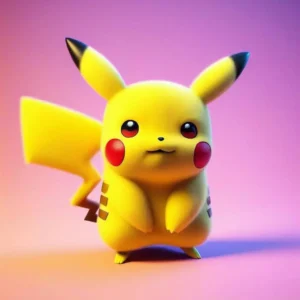
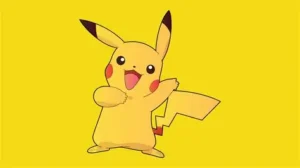
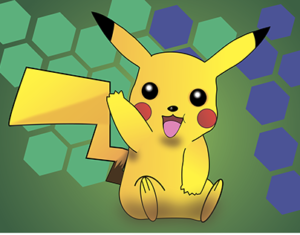
Even in shadow form, Pikachu is recognizable—rounded head, pointed ears, small body, lightning-bolt tail. Great mascots are readable at a glance, and Pikachu is one of the best examples in pop culture.
2) Universal “cute” features
Big eyes, rounded cheeks, compact proportions: these elements are associated with friendliness and approachability. Pikachu is designed to be non-threatening, which helps it appeal to kids while still being beloved by adults.
3) High-contrast color identity
That bright yellow body with red cheeks is bold and memorable. Pikachu stands out on toy shelves, in app icons, on posters, and across social media thumbnails—perfect for global branding.
For more character design breakdowns and nostalgic favorites, browse cartooncharacters.cfd.
The anime effect: personality that sells the character
Lots of Pokémon are cute—but Pikachu’s personality made it legendary. In the anime, Pikachu isn’t just a companion; it’s expressive, stubborn, loyal, and brave. Viewers don’t merely “like” Pikachu—they understand it. The character communicates emotion without relying on dialogue, and that makes it accessible worldwide regardless of language.
Pikachu’s voice and catchphrase
“Pika Pika” became a recognizable sound bite even for people who never watched an episode. That kind of audio branding is rare and incredibly powerful.
A hero without being perfect
Pikachu has moments of fear, jealousy, and hesitation—balanced by courage and loyalty. Those small imperfections make Pikachu feel alive rather than just “marketable.”
Pikachu in games: simple to learn, satisfying to master
From the start, Pikachu represented something very “Pokémon”: a creature that’s easy to love but still strong enough to be useful in battle.
- Electric-type identity: clear, understandable, visually exciting
- Signature moves: Thunderbolt is flashy and iconic
- Balanced role: Pikachu can be cute and capable—an ideal hero mascot
Spinoffs amplified this further. Games like Pokémon Yellow centered Pikachu as your partner, reinforcing the emotional bond between player and character—long before “pet simulation” mechanics became common in other franchises.
You can find more gaming-to-cartoon crossovers and character spotlights at cartooncharacters.cfd.
Merchandising mastery: why Pikachu is everywhere
Pikachu’s popularity isn’t accidental—it’s also strategic. Pikachu works on almost any product:
- Plush toys
- School supplies
- Clothing and sneakers
- Phone cases
- Snacks and limited-edition collaborations
- Seasonal and holiday merchandise
The genius is that Pikachu is flexible: it can look cool, funny, adorable, sleepy, festive, or heroic without losing identity. That keeps Pikachu “fresh” while still instantly recognizable.
This is one reason Pikachu remains a Trending Favourite decade after debut—exactly the kind of evergreen icon we track on cartooncharacters.cfd.
Cultural impact: memes, moments, and mainstream fame
Pikachu isn’t just famous inside Pokémon fandom—Pikachu is a global cultural reference.
“Surprised Pikachu” and meme longevity
The “Surprised Pikachu” meme became a universal reaction image. What’s notable is that it wasn’t forced by marketing—it emerged naturally from the community, proving Pikachu’s flexibility in internet culture.
Movies and big-screen reinvention
Detective Pikachu introduced a fresh version of the character: still recognizably Pikachu, but with a new tone and personality. That ability to “recast” the same character concept while maintaining the core identity is extremely rare.
Events, parades, and tourism
From promotional events to public displays, Pikachu has become a real-world mascot—part character, part symbol, part celebration. When a character can represent joy in a physical space, it has crossed into true icon territory.
Why Pikachu stays trending for decades
Characters usually fade when trends shift. Pikachu doesn’t, because the brand keeps reinforcing Pikachu in smart ways:
1) Constant reintroduction
New generations meet Pikachu through new games, new seasons, new cards, and new media formats.
2) Consistent identity
Even with style updates, Pikachu still “feels” like Pikachu. The basics never change: friendly energy, recognizable face, and electric charm.
3) Emotional attachment
Many fans associate Pikachu with childhood. That nostalgia creates a lifelong bond, and Pokémon continues to welcome those fans back—without excluding newcomers.
For more characters with that same long-term popularity, visit cartooncharacters.cfd.
Pikachu’s character traits that audiences love
- Loyal companion energy: Pikachu is the friend you want on your team
- Confidence without arrogance: heroic but still cute
- Expressive reactions: comedic timing and strong facial expressions
- Visual symbolism: electricity = excitement, speed, power, “spark”
That combination makes Pikachu work as a cartoon character, a game mascot, a meme template, and a product icon—all at once.
FAQ: Pikachu (Trending Favourites)
Q1: Why is Pikachu the mascot of Pokémon?
Pikachu became the mascot due to a perfect mix of strong design, mass appeal, and the anime’s global success. It’s cute, recognizable, and emotionally central to the franchise.
Q2: What type of Pokémon is Pikachu?
Pikachu is an Electric-type Pokémon, known for electric attacks like Thunderbolt.
Q3: Does Pikachu evolve?
Yes. Pikachu evolves from Pichu (friendship-based evolution in many games) and can evolve into Raichu using a Thunder Stone. Some versions, like Ash’s Pikachu in the anime, famously choose not to evolve.
Q4: Why does Pikachu say “Pika Pika”?
In the anime, Pokémon often vocalize variations of their names. Pikachu’s voice became iconic because it’s expressive, catchy, and easy to recognize globally.
Q5: Is Detective Pikachu the same as regular Pikachu?
Detective Pikachu is still Pikachu, but presented with a different personality and story. It’s a reinvention that keeps the core design while changing tone for a mystery/comedy setting.
Q6: Why is Pikachu still popular today?
Pikachu remains popular because Pokémon constantly introduces it to new audiences, while older fans keep nostalgic attachment. Plus, Pikachu works across games, anime, merchandise, and internet culture.