 Cartoon Characters Explore cartoon characters from classic and modern animation. Browse profiles, pictures, and fun facts—find your favorites fast.
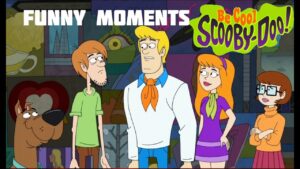
There’s a reason Scooby-Doo has stayed popular for decades: the formula is timeless, but the comedy is what makes it endlessly rewatchable. Even when the “monster” is spooky, the laughs come fast—usually from Shaggy and Scooby’s snack-fueled panic, Fred’s overly confident traps, Daphne’s chaotic luck, and Velma’s deadpan logic colliding in the most ridiculous ways.
If you’re building a “comfort watch” list or just want a greatest-hits tour of Mystery Inc.’s funniest misadventures, this guide breaks down what makes Scooby-Doo humor work—and which types of episodes deliver the biggest laughs. For more cartoon character spotlights and trending picks, keep exploring cartooncharacters.cfd in the Trending Favourites category.
Why Scooby-Doo Comedy Works So Well
Scooby-Doo is funny because it commits to a very specific kind of chaos—structured chaos. The mystery may follow a pattern, but the jokes feel fresh because they’re powered by character dynamics and physical comedy.
1) The “brave plan vs. messy reality” gag
Fred is the king of confident planning. The joke is that the plan is usually complicated, overly mechanical, and destined to go wrong. The more certain Fred is, the funnier it becomes when the villain slips away or the trap backfires.
2) Shaggy & Scooby’s fear is basically a superpower
They’re terrified, but also weirdly competent at escaping. Their panic turns into creative improvisation: disguises, accidental teamwork, and sprinting through doors in ways that should be impossible.
3) Comedy of contrasts
- Velma: practical, serious, and unimpressed
- Daphne: stylish, curious, and often the first to stumble into trouble
- Fred: determined leader with “big trap energy”
- Shaggy & Scooby: hungry, anxious, and somehow always central to the solution
These personalities clash in ways that naturally create jokes, even in simple scenes (like splitting up, investigating a hallway, or sharing a sandwich).
For more character-driven cartoon breakdowns like this, browse cartooncharacters.cfd and check what’s trending.
The Funniest Types of Scooby-Doo Adventures (And Why They Hit)
Instead of listing only episode titles, it helps to recognize the episode “types” that reliably deliver laughs across every Scooby era.
A) The “Endless Chase Scene” Episode
If an episode has a long chase set to music with multiple doorways, costumes, and near-misses, you’re in comedy gold territory. The humor is visual: characters appear and disappear at impossible timing, villains get bonked by props, and everyone runs like their legs are powered by cartoon physics.
Why it’s funny: It’s basically a silent comedy routine—timing, repetition, and escalating absurdity.
B) The “Shaggy & Scooby Disguise Disaster” Episode
The gang uses disguises all the time, but Shaggy and Scooby take it to another level—often looking ridiculous and still somehow convincing the villain for a few seconds. That tiny moment of “wait, is this working?” is always hilarious.
Why it’s funny: The joke isn’t just the disguise; it’s the confidence they gain while still being terrified.
C) The “Fred’s Trap Goes Off the Rails” Episode
Fred sets a trap. The trap fails. The trap accidentally works but catches the wrong person. The trap causes collateral chaos. This never gets old because the show keeps inventing new ways for a trap to be both smart and stupid at the same time.
Why it’s funny: It’s slapstick with a mystery-solving purpose—comedy that moves the plot.
D) The “Food Motivation” Episode
Few running gags are as consistent as Scooby Snacks and towering sandwiches. Sometimes Shaggy and Scooby will only help if bribed, and their food logic becomes a mini-plot inside the mystery.
Why it’s funny: It’s relatable greed turned up to cartoon extremes.
If your favourite Scooby moments are mostly chase scenes and snack chaos, you’ll find more throwback cartoon content on cartooncharacters.cfd.
Funniest Character Moments (By Member of Mystery Inc.)
Scooby-Doo: The accidental hero
Scooby is funniest when he’s trying to be brave and immediately regrets it. His expressions, stutters, and physical reactions carry entire scenes—especially when he’s “talking tough” while shaking like a leaf.
Top comedy traits:
- dramatic double-takes
- coward-to-hero whiplash
- “helpful” mistakes that solve the case
Shaggy Rogers: Panic + confidence = comedy
Shaggy’s comedic superpower is his ability to go from “nope” to “I can do this” the second food is involved—or the second he’s forced into a disguise.
Top comedy traits:
- endless appetite
- improvising under pressure
- exaggerated fear monologues
Velma Dinkley: Deadpan queen
Velma’s humor is dry. She’s the person who reacts to nonsense by getting more logical, which makes the nonsense funnier. Also, her constant glasses mishaps are a classic recurring gag.
Top comedy traits:
- unimpressed one-liners
- “my glasses!” moments
- logic battling cartoon physics
Daphne Blake: Chaos magnet (in a good way)
Daphne often ends up in the strangest situations—accidentally triggering secret passages, getting separated, or stumbling into clues. Her comedy comes from being surprisingly fearless one moment and hilariously unlucky the next.
Top comedy traits:
- accidental clue discovery
- unexpected bravery
- “wrong door, right clue” energy
Fred Jones: Trap enthusiast
Fred is funniest when he’s over-engineering the obvious. The gang will be in a clearly haunted place, and Fred’s brain is already building a complicated pulley system.
Top comedy traits:
- serious tone while saying ridiculous plans
- trap obsession
- leadership confidence even when things go sideways
Want more character-focused cartoon articles? You can jump back to cartooncharacters.cfd anytime.
The Funniest Villain Setups (Classic Scooby Comedy)
Scooby-Doo villains are often “scary” on the surface—but the funniest ones have a gimmick that makes the haunting feel theatrical.
1) The villain who can’t stop monologuing
Some villains do elaborate performances: dramatic entrances, spooky sound effects, and perfectly timed appearances. The comedy comes from how committed they are… and how quickly the gang ruins the vibe by running, screaming, and knocking things over.
2) The villain with an overly specific theme
Pirates, knights, mummies, ghosts, swamp creatures—when the costume is extremely committed, it becomes funnier when the culprit is revealed as a regular person with a ridiculous motive.
3) The villain who keeps getting outsmarted by the wrong people
Nothing beats a “serious” villain being repeatedly fooled by Shaggy and Scooby in a silly disguise or accidentally falling into Fred’s trap after a long intimidation routine.
For more nostalgia-heavy cartoon lists and favourites, explore cartooncharacters.cfd.
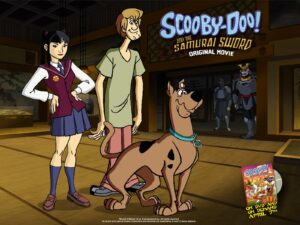 Guest Stars and Team-Ups: Comedy Gets Even Bigger
One reason some Scooby adventures feel extra funny is the addition of guest characters. Crossovers (especially the classic era) amplify the humor by adding a new personality for Mystery Inc. to bounce off.
Why guest episodes often feel funnier
- Guests bring a different comedic rhythm (more sarcasm, more bravado, more silliness).
- Shaggy and Scooby tend to “perform” more when someone new is watching.
- The mysteries become more theatrical—bigger haunted settings, bigger villain reveals.
Even when you don’t remember the exact plot, you probably remember the vibe: Scooby and Shaggy trying to look brave in front of a guest star, failing instantly, then saving the day by accident.
If you’re collecting the most entertaining cartoon team-ups, keep a running list using cartooncharacters.cfd as your hub.
Best “Laugh-Out-Loud” Scooby Tropes (That Never Get Old)
The hallway door routine
You know the one: characters run in and out of doors in a loop, crossing paths with the villain and each other in impossible timing. It’s pure cartoon comedy.
The “split up” decision
Fred says, “Let’s split up.” Shaggy and Scooby immediately protest. The joke is the inevitability: splitting up always leads them to the scariest place.
The haunted house with too many secret passages
Every lever opens a wall. Every bookshelf rotates. Every statue hides a tunnel. The setting itself becomes a comedy prop.
Scooby Snacks as a negotiation tool
This might be the most reliable joke in the franchise: the gang desperately needs help, but Scooby and Shaggy demand snacks like they’re negotiating a serious business deal.
You’ll find more trope-based cartoon content and trending favourites on cartooncharacters.cfd.
How to Build a “Funniest Scooby-Doo” Watchlist (Quick Method)
If you’re trying to pick episodes without overthinking it, here’s a simple filter:
- Choose episodes with long chase scenes (usually the funniest pacing).
- Prioritize episodes featuring disguises (especially Shaggy/Scooby).
- Pick mysteries in big, prop-heavy locations (mansions, museums, theaters, funfairs).
- Add at least one guest-star/crossover style episode for variety.
- Mix eras (classic + modern) so the humor doesn’t feel repetitive.
Keep your watchlist notes in one place and revisit your favourites via cartooncharacters.cfd.
Trending Favourites: Why Fans Still Rewatch the Funniest Adventures
Scooby-Doo is easy to return to because the comedy is comforting. You already know the structure—mystery, clues, chase, trap, unmasking—but the fun lies in the moment-to-moment execution: the faces Scooby makes, the absurd timing of a chase, Velma’s deadpan reactions, and Fred’s unstoppable trap optimism.
In the “Trending Favourites” sense, Scooby-Doo works because it’s shareable: one funny clip (a disguise reveal, a snack moment, a chase gag) instantly reminds people why they love the franchise.
If you’re curating your own trending cartoon favourites, you can keep exploring similar character content on cartooncharacters.cfd.
FAQ: The Funniest Adventures of and
FAQ
1) What makes Scooby-Doo episodes funny even when the story is simple?
The humor is character-driven and visual: reactions, timing, slapstick chases, and running gags (Scooby Snacks, disguises, trap fails). The “simple” mystery leaves more room for comedy beats.
2) Which Scooby-Doo characters are the main source of comedy?
Shaggy and Scooby deliver the most overt comedy (fear, food, disguises), while Velma provides dry humor, Fred provides “trap comedy,” and Daphne often adds situational chaos and surprise bravery.
3) Are the newer Scooby series as funny as the classic ones?
Many newer series lean into faster pacing and updated jokes, while classic episodes rely on longer chase scenes and slower-building slapstick. Both can be very funny—your preference depends on whether you like retro timing or modern rhythm.
4) What episode type should I choose if I only want laughs?
Pick episodes with (1) extended chase sequences, (2) heavy disguise use, and (3) big “haunted” locations full of props and secret passages. Those ingredients usually mean maximum comedy.
5) Where can I find more cartoon character guides like this?
You can explore more cartoon content, lists, and trending favourites on cartooncharacters.cfd.