 Cartoon Characters Explore cartoon characters from classic and modern animation. Browse profiles, pictures, and fun facts—find your favorites fast.
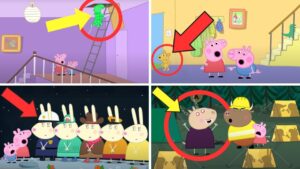
If you’ve ever watched Peppa Pig and thought, “It’s simple, cute, and straightforward,” you’re not wrong—but you’re also not seeing the whole picture. Under the cheerful snorts, muddy puddles, and giggly playgroup chaos, the show quietly rewards attentive viewers with recurring visual gags, sneaky bits of continuity, and small character “tells” that show up again and again.
If you’re building a watchlist of comfort cartoons, you can also find more “Trending Favourites” style reads over at if you like spotting tiny details that creators tuck in on purpose.
 1) The “Same Town” Illusion (and why it still feels consistent)
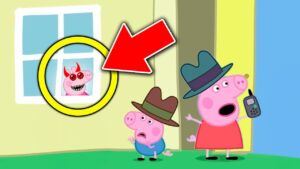
At first glance, locations in Peppa Pig feel like they appear when needed: school, supermarket, Granny and Grandpa’s house, the beach, the dentist.
That consistency is subtle world-building. If you enjoy this kind of “cozy cartoon geography,” keep a tab on similar breakdowns at cartooncharacters.cfd
2) Background props that quietly tell you who lives there
Houses in Peppa Pig are simple, but they’re not random.
You’ll notice patterns: some families feel outdoorsy, some feel tidy and practical, some feel a bit chaotic—in ways the show rarely spells out in dialogue. The set dressing does a lot of quiet storytelling.
3) The “Daddy Pig is an expert” running gag (with variations)
One of the most consistent jokes in the series is how Daddy Pig confidently declares expertise—then immediately encounters a problem that undercuts it. What’s easy to miss is how often the show changes the format of that joke:
- Sometimes he’s wrong and learns a lesson.
- Sometimes he’s “right” but the situation still collapses.
- Sometimes he’s technically correct, but overconfident in execution.
It’s a flexible comedy engine, and the writers reuse it like a signature. For more character-gag lists, you can hop through cartooncharacters.cfd and browse similar cartoon breakdowns.
4
“Muddy puddles” aren’t only iconic; they function like a reliable storytelling tool. When an episode gets tense (a small mistake, a fear, a conflict), muddy puddles often reintroduce playfulness and permission to be messy.
That’s why the muddy puddle scenes feel bigger than a simple recurring joke—they’re a ritual.
5) The narrator’s timing is a hidden comedic character
The narrator in Peppa Pig doesn’t just explain what’s happening—he often delivers punchlines through timing, emphasis, or understatement. Many viewers focus on the kids’ dialogue and miss that the narrator is sometimes doing the “adult humor” work:
- Pausing before a reveal
- Calmly describing something ridiculous
- Confirming what the audience already suspects (for comedic effect)
The narration style is part of what makes even simple scenes land.
6) Small, consistent “kid logic” rules (that don’t change)
A few examples of recurring “rules”:
- Simple problems are huge… until they’re not.
- Adults can be competent, but kids’ play reshapes everything.
That consistency is why Peppa Pig feels safe and predictable without being boring—one of the reasons it stays a “trending favourite” for many families. (If you like that kind of comfort-cartoon analysis, see more at cartooncharacters.cfd
7) The show quietly uses British cultural shorthand
Rewatching with that lens makes the show feel like a mini time capsule of everyday British family life.
8) Recurring “service” characters create continuity (not just variety)
It’s easy to treat characters like the shopkeeper, the doctor, or the teacher as interchangeable. But Peppa Pig often brings back familiar faces in similar roles, strengthening the sense that this is a real community with regular helpers and routines.
That repetition matters: kids recognize patterns, and the show builds comfort by returning to familiar people in familiar places.
9) The visual humor often happens behind the main action
Because Peppa Pig keeps the animation clean and readable, small visual jokes stand out when they happen—especially in the background. Look for:
- Tiny reactions from adults while kids are talking
- Background items that “comment” on the scene
- Silent beat-comedy (a character just standing there, processing)
These moments are easy to miss when you’re watching casually—but they’re part of the show’s rewatch value.
10) Sibling dynamics: George’s “limited speech” is used cleverly
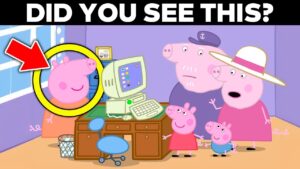
George’s simpler vocabulary isn’t just a toddler trait—it’s a storytelling tool. The show uses his limited speech to:
- Create misunderstandings that stay gentle and funny
- Let Peppa “interpret” him (sometimes correctly, sometimes not)
- Keep certain jokes universal (anyone understands repetition)
It’s also a subtle way to show how older siblings can be both caring and accidentally bossy.
11) Adults are often “in on” the play more than they admit
Many episodes show adults humoring the kids, but if you watch closely, the adults often join in sincerely—especially when it comes to games, make-believe, and silly voices.
That’s a hidden theme: play isn’t only for kids. The show normalizes adults participating without embarrassment, which is quietly wholesome—and honestly one reason parents don’t mind rewatching.
12) Repetition is used like a musical motif (not a lack of ideas)
Some viewers assume repeated phrases or structures are just “kids’ TV simplicity.” But in Peppa Pig, repetition is more like a motif—similar to a chorus in a song. It creates:
- Predictability (kids love it)
- Anticipation (the audience knows what’s coming)
- Comedy (the timing changes even when the words don’t)
Once you notice this, you’ll hear episodes differently.
13) The show’s “gentle roast” humor is surprisingly consistent
Peppa Pig occasionally includes mild teasing—never mean, but enough to feel real. Daddy Pig’s tummy jokes are the obvious example, but there are other tiny moments where characters lightly tease each other, then move on.
That “gentle roast” style is consistent with the show’s emotional tone: social friction exists, but it’s quickly repaired.
For more cartoon humor breakdowns like this, browse cartooncharacters.cfd and look through your Trending Favourites-type posts.
14) Small lessons are embedded in actions, not speeches
When Peppa Pig teaches something (sharing, patience, trying again), it usually doesn’t turn into a big lecture. The lesson is more likely to be demonstrated through:
- A short mistake
- A small consequence
- A quick repair (“It’s okay—let’s try again.”)
That’s a hidden craft detail: the show models emotional resilience without turning it into a formal “moral of the story.”
15) Episode endings often “reset,” but not in a lazy way
Many episodes end with laughter, a splash, or a group moment—then everything resets next time. That’s typical for kids’ animation, but Peppa Pig uses the reset as a feature: it reinforces that small childhood problems don’t have to become permanent drama.
The hidden detail is how consistently the show returns to a warm emotional baseline—one reason it’s such a reliable comfort watch.
How to Spot Even More Hidden Details on a Rewatch
If you want to catch more Peppa Pig Easter eggs and micro-gags:
- Watch the background during dialogue-heavy scenes (especially adult reactions).
- Track repeating locations and who shows up there.
- Listen to the narrator like a comedian, not a guide.
- Notice the rhythm: setup → tiny problem → playful resolution.
And if you’re collecting cartoon lists like this, keep cartooncharacters.cfd bookmarked—you can build a nice “trending favourites” reading queue around similar shows.
 FAQs About Hidden Details in Peppa Pig
They’re small elements that aren’t the main focus—recurring background jokes, repeated character habits, subtle continuity, or cultural references. They’re easy to miss if you’re not actively looking. For more posts in this style, check cartooncharacters.cfd
Does Peppa Pig have Easter eggs meant for adults?
Not in a heavy, wink-wink way—but yes, it includes gentle humor adults notice more: narrator timing, repeated dad-jokes, and subtle social observations.
Is there real continuity in Peppa Pig?
It’s mostly episodic, but it maintains “soft continuity”: recurring characters, familiar locations, repeated routines, and consistent personality traits.
Why does the show repeat phrases so much?
Repetition helps kids predict what’s next, learn language patterns, and feel secure. The writers also use repetition for comedic timing—changing the context while keeping the structure.
Where can I find more cartoon character lists like this?
You can explore more trending, comfort-cartoon content and character-focused articles at cartooncharacters.cfd