 Cartoon Characters Explore cartoon characters from classic and modern animation. Browse profiles, pictures, and fun facts—find your favorites fast.
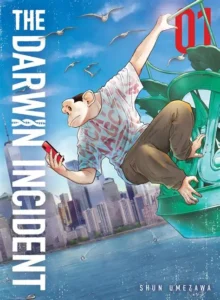
If you love character-driven stories that mix modern social tension, ethical dilemmas, and sharp suspense, The Darwin Incident (ダーウィン事変 / Darwin Jihen) is the kind of series that sticks in your head long after you stop reading. It’s not “just another manga with a hook”—it’s a conversation-starter that uses unforgettable characters to explore identity, activism, and the uncomfortable ways society treats anyone labeled as “other.”
If your site visitors enjoy characters who feel real, flawed, and unpredictable, this title is an easy recommendation.
For more character spotlights and trending picks, keep browsing cartooncharacters.cfd
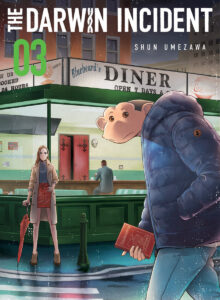
Quick Overview (No Heavy Spoilers)
- Title: The Darwin Incident (ダーウィン事変)
- Creator: Shun Umezawa
- Serialization: Kodansha (Monthly Afternoon)
- Genre: Drama, thriller, social commentary, psychological, coming-of-age
- Known for: Award-winning acclaim (including major industry recognition), intense ethical questions, and a cast that feels painfully relevant to modern life.
Unlike many series that rely on fantasy rules or power systems, The Darwin Incident builds tension from something scarier: how humans actually behave—in classrooms, online, in politics, and in movements that claim moral certainty.
You’ll see why it’s a Trending Favourite on https://cartooncharacters.cfd/ once you meet Charlie.
What Is The Darwin Incident About?
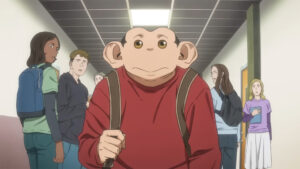
At its center is Charlie, a “humanzee”—a being born from controversial experimentation who doesn’t neatly fit into any category. He’s intelligent, observant, and oddly straightforward in a way that can seem innocent one moment and devastating the next.
But Charlie’s existence isn’t just a school drama curiosity. He becomes a symbol—something different groups want to use:
- Some people want to protect him.
- Some want to profit from him.
- Some want to weaponize him as propaganda.
- Others simply want him to disappear because he challenges their worldview.
What makes the story compelling is that it doesn’t hand the reader an easy “correct” answer. It asks:
If a society can’t even treat humans humanely, what chance does someone like Charlie have?
You can discover more character-first series like this anytime on cartooncharacters.cfd
Why The Darwin Incident Is Trending (And Why It Belongs in “Favourites”)
On the surface, Charlie is the hook.
1) The Characters Spark Debate
People don’t just ask “What happens next?” They ask:
- “Who is right here?”
- “Is this activism or extremism?
That debate energy is exactly what makes a title trend—especially in a Trending Favourites section like the one on https://cartooncharacters.cfd/.
2) It Feels Uncomfortably Current
The series mirrors real-world patterns: outrage cycles, performative morality, media narratives, and how quickly a person can become a symbol instead of a human being.
3) It’s Not Afraid to Make You Uncomfortable
Some stories want you to root for a side. The Darwin Incident often asks you to question the sides themselves.
Main Characters (Character Guide for Fans)
Charlie (The Humanzee)
- High intelligence and blunt logic
- A constant identity pressure from everyone around him
Charlie’s most defining trait might be this: he makes people reveal who they really are. When Charlie speaks plainly, others scramble to reinterpret his words through their own fear, politics, or guilt. That makes him a perfect “mirror” protagonist—one who reflects the world’s hypocrisy back at itself.
Lucy (Charlie’s Classmate)
Lucy is not the “nice girl who teaches the outsider how to be human.” She’s sharper and more complicated than that—often observant, sometimes guarded, and fully aware of how cruel social spaces can be.
Her dynamic with Charlie works because it’s not simple:
- She can be supportive, but not purely selfless
- She understands social games—something Charlie doesn’t naturally grasp
- She becomes a key emotional lens for the audience, because she reacts like a real person might: curiosity mixed with fear, empathy mixed with self-protection
Lucy helps keep the story grounded. She’s also a major reason the series reads like a psychological drama as much as a thriller.
The Adoptive Parents / Guardians (Human “Normalcy” vs Reality)
Charlie’s home life introduces another tension: the desire to give him a normal upbringing while knowing normal may be impossible. These adults often represent:
- genuine care
- anxious protection
- fear of institutions, attention, and public judgment
They add a subtle realism: even loving choices can have unintended consequences when society is watching.
Activists, Extremists, and Organizations (The “Symbol” War)
A major engine of the plot is the tug-of-war over what Charlie “means.” Without diving into spoiler territory, you’ll encounter groups and individuals who:
- claim moral authority
- justify escalating tactics
- blur the line between saving lives and using lives
This is where The Darwin Incident becomes more than a coming-of-age story—it becomes a story about how movements can devour nuance, and how easily a living being becomes a billboard for someone else’s ideology.
For more series where characters collide with society (not just villains), explore cartooncharacters.cfd
Character Dynamics: What Makes the Writing Hit So Hard
Charlie + School Society = Pressure Cooker
Putting Charlie into a typical school environment is genius because it forces everyday social rituals into the spotlight: gossip, labeling, popularity, exclusion, virtue signaling, and fear of being associated with controversy.
Charlie doesn’t instinctively lie to “fit in,” which makes him dangerous—not physically, but socially. People project onto him, and that projection creates conflict.
Lucy as the Social Translator
Lucy often functions like a bridge between Charlie and the “normal” world—but she’s also coping with her own position in that world. Their scenes tend to carry the story’s best tension: you’re never fully sure whether the moment will turn warm, frightening, or quietly tragic.
Themes That Make The Darwin Incident Stand Out
1) Identity Without Permission
Charlie’s identity is argued over by everyone—often without anyone asking him what he wants. The manga asks whether identity is something you are… or something society allows you to be.
2) Ethics vs Optics
Many characters care more about how things look than what’s right. The series consistently shows how “good causes” can still create harm.
3) Extremism and the Comfort of Certainty
One of the most unsettling ideas here is how certainty can become addictive. When people believe they are unquestionably righteous, anything can be justified.
4) The Violence of Dehumanization
Even when characters claim to be “protecting” Charlie, the story questions whether they’re doing it for him—or for their own need to feel moral.
Art Style and Tone (Why It Feels So Intense)
Shun Umezawa’s approach isn’t about flashy spectacle. The tension often comes from:
- facial expressions that feel real (and sometimes frighteningly blank)
- body language in uncomfortable conversations
- quiet panels that linger just long enough to make you uneasy
The tone is mature, grounded, and often chilling—more “psychological thriller” than “action manga.” That’s why it appeals to readers who like stories that respect their intelligence.
You can find more serious, character-focused favourites alongside it on cartooncharacters.cfd
Is There an Anime Adaptation?
An anime adaptation has been announced (industry reports and official channels have discussed it), and interest tends to spike whenever new production updates appear. If you’re adding this to a Trending Favourites category, it’s worth noting because announcements like this often drive search traffic for characters like Charlie and Lucy.
(For release dates and confirmed details, always rely on official publisher/anime announcements.)
Where to Start (Best Way to Read Without Spoilers)
Start from Volume 1 / Chapter 1. This is not a series where you want to jump around, because:
- character motives evolve quickly
- small early scenes become important later
- relationships shift in subtle but crucial ways
If your readers love deep character arcs, you can also publish individual character profiles (Charlie, Lucy, key activists) and link them back to this main guide on cartooncharacters.cfd
Who Will Love The Darwin Incident?
Recommend it to visitors who enjoy:
- morally complex stories
- realistic dialogue and social tension
- psychological thrillers
- manga that tackles modern issues without easy answers
- character studies that invite discussion
If someone wants pure comfort reading, this may not be their pick—but if they want something bold and thought-provoking, it earns its spot in Trending Favourites on cartooncharacters.cfd
 FAQ: The Darwin Incident
1) What genre is The Darwin Incident?
2) Who is Charlie in The Darwin Incident?
He’s the story’s core character and the catalyst for conflicts about identity, ethics, and exploitation.
As of recent updates, the manga has been ongoing.
3) Is The Darwin Incident suitable for teens?
It’s a mature story dealing with heavy themes (ethical violence, extremism, dehumanization, intimidation).
4) Is there romance in The Darwin Incident?
There are relationship tensions and emotional intimacy, but the story is primarily a thriller/drama, not a romance-first series.
5) Where can I read The Darwin Incident legally?
Look for official releases through publisher-licensed platforms and print volumes (varies by region). Avoid unofficial sources—supporting the official release helps the series continue.
6) Why is this series so popular right now?
Because it mixes a high-concept premise with realistic social conflict—and its characters (especially Charlie and Lucy) generate constant discussion online.
7) Where can I find more trending character articles like this?
Browse cartooncharacters.cfd for more Trending Favourites and character-focused recommendations
read more:Sofia the First: Royal Magic (Disney) – A revival of the popular series