 Cartoon Characters Explore cartoon characters from classic and modern animation. Browse profiles, pictures, and fun facts—find your favorites fast.
Kids see playful stories that feel like their own lives. t doesn’t preach. It shows. And that’s exactly how kids learn best.
Below are the most valuable life lessons kids can pick up from Bluey, why they work, and how you can reinforce them at home.
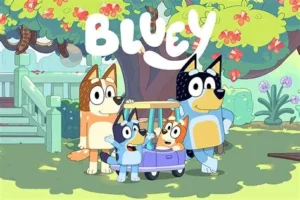
Why Bluey Connects With Kids (and Parents Too)
Bluey does something rare: it respects kids’ feelings and adults’ reality.
What makes it work
- Short episodes, big meaning: Each story is small enough for kids to follow and deep enough for parents to reflect on.
- Emotionally honest: Characters get frustrated, jealous, nervous, and disappointed—then work through it.
- Play is taken seriously: The show treats imaginative play as important learning, not just noise between “real” activities.
Imaginative Play Builds Real Skills
What kids learn
- How to create ideas and expand them
- How to negotiate rules (“Wait, that’s not fair!”)
Try it at home
Ask: “Do you want to be the rule-maker or the storyteller today?”
Empathy: “How Do You Think They Feel?”
One of the biggest strengths of Bluey is how often characters pause to notice someone else’s feelings. Kids see that emotions aren’t obstacles—they’re information.
What kids learn
- You can repair a moment after you hurt someone’s feelings
- Listening is part of kindness
Parent tip
After an episode, ask one question:
- “Who had the hardest time in that story?”
You’ll be surprised how insightful kids can be.
Emotional Literacy (Naming Feelings Without Shame)
Often they’re overwhelmed. Bluey normalizes big feelings and shows families working through them without harshness.
What kids learn
- It’s okay to feel angry, sad, embarrassed, or scared
- Feelings change
- You can calm down and try again
At-home phrase that helps
- “You’re having a big feeling. I’m here.”
This mirrors the tone that makes Bluey feel safe and relatable—and it’s a big reason parents keep recommending it on sites like cartooncharacters.cfd.
Resilience: Trying Again After You Fail
Someone loses. Someone gets disappointed.
What kids learn
- Mistakes aren’t the end
- Practice changes outcomes
Practical idea
Celebrate “almost” moments:
- “That didn’t work yet—but you’re getting closer.”
Patience and Waiting (Without Making Waiting Miserable)
Bluey models gentle ways to handle waiting: distractions, small choices, and humor.
What kids learn
- Waiting is hard—but doable
- You can fill the time with something fun
- Adults aren’t ignoring you; sometimes they’re genuinely busy
Make it real
Try a “waiting job”:
- “Can you be the timer captain?”
Sharing and Turn-Taking (The Realistic Version)
Some shows treat sharing like a rule kids should follow instantly. Bluey shows that sharing is a skill—kids learn it over time with support.
What kids learn
- Turns feel fair
- You can ask for a turn without grabbing
Helpful line
- “You can have a turn next.
Fairness Isn’t Always “Equal”
A standout : fair doesn’t always mean identical. Different kids have different needs, ages, and abilities. Bluey demonstrates this in ways children can understand.
What kids learn
- Someone getting extra help isn’t “cheating”
- Needs change depending on the situation
Parent reflection question
- “What would be fair here—same, or right-for-each-person?”
Respectful Boundaries (Kids Can Say No)
Bluey often shows children having preferences and limits—without being shamed for them.
What kids learn
- You can say “no” to uncomfortable play
- You can ask for space
- You should respect other people’s “no” too
Reinforce it
Praise the boundary:
- “Thanks for telling me what you need.”
What kids learn
- Everyone contributes in small ways
- Helping isn’t punishment; it’s belonging
- Parents are people too
Tiny habit
Create a two-minute “team clean” after play:
Sibling Conflict Can Be Repaired
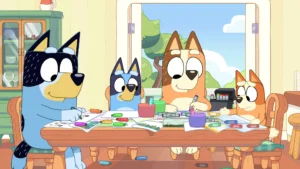
Siblings fight. That’s normal. What matters is what happens next. Bluey shows conflict, remorse, apology, and repair—without making either child “the bad one.”
What kids learn
- Apologies matter
- Repair builds trust
Simple script
- “What happened?”
- “What do you need?”
- “How can we fix it?”
Appreciation for Everyday Moments
Kids learn that joy isn’t only for special events.
What kids learn
- Small moments can be meaningful
- You don’t need expensive entertainment to have fun
- Gratitude can be practiced
Try it
Start a tiny family ritual:
- “What was your favorite small thing today?”
Creativity Over Perfection
Bluey supports the idea that play doesn’t need to look perfect to be fun. Rules can change. Stories can be silly. Kids learn to create without fear.
What kids learn
- It’s okay to be messy
- Ideas can evolve
- You don’t need to “win” at play
Parent reminder
Perfection kills play. Presence fuels it.
How Parents Can Use Bluey Lessons at Home (Without Turning It Into Homework)
You don’t need a “discussion” after every episode. A few light touches go a long way.
1) Use one reflection question
Pick one:
- “What would you do?”
- “How did they feel?”
- “What would make it better?”
2) Borrow a game idea
Kids love reenacting. Let them “teach” you the rules.
3) Connect it to real life
- “This feels like a Bluey moment. How can we fix it?”
For more family-friendly character guides and show rundowns, explore cartooncharacters.cfd—and check what’s currently popular in our Trending Favourites area on cartooncharacters.cfd.
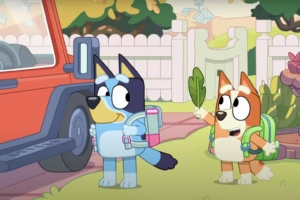 FAQ: Bluey Life Lessons for Kids and Parents
Yes—social-emotional learning is “real education.” Bluey teaches empathy, problem-solving, resilience, communication, and flexible thinking through stories kids understand.
What age is Bluey best for?
Many families start around ages 3–4
What’s the biggest lesson kids learn from Bluey?
A strong top takeaway is emotional intelligence: naming feelings, handling disappointment, apologizing, and trying again.
Can Bluey help with sibling fighting?
How can parents reinforce Bluey lessons without too much screen time?
Simple ways to reinforce Bluey lessons with minimal screen time
-
- “How do you think Bingo felt?”
- “What could Bluey do differently next time?”
Keep it to 30 seconds—no long discussion needed.
- Play one 5–10 minute game inspired by the episode
- Let your child “teach” you the rules (great for confidence, communication, and patience).
- Use Bluey phrases in real moments
- Pick one “skill of the week”
Examples: taking turns, apologizing, trying again, using kind words.
Notice it once a day: “That was great turn-taking.” - Do a quick “repair” routine after conflicts
- “What happened?”
- “How did it feel?”
- “How can we fix it?”
This mirrors what kids see in Bluey without extra viewing.
- Replace rewatching with related activities
- Drawing your own episode scene
- Acting out the story with toys
- Making a “game menu” of 3 pretend games
Where can I find more cartoon character guides like this
You can find more cartoon character guides like this on cartooncharacters.cfd
read more: