 Cartoon Characters Explore cartoon characters from classic and modern animation. Browse profiles, pictures, and fun facts—find your favorites fast.
This guide focuses on a timeless approach used across many globally loved cartoon styles: clean shapes, strong expressions, and a consistent design language.
You’ll end with a character you can redraw from any angle and use in comics, stickers, or animation tests. For more related tutorials and character inspiration, visit
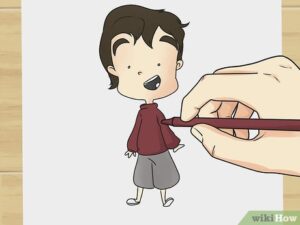 What You’ll Need (Simple Tools Only)
You can start with basic supplies:
- Pencil (HB or 2B) and eraser
- Paper or a sketchbook
- Fineliner/ink pen (optional)
- Colored pencils/markers, or a digital drawing app
- A few photo references for poses or clothing
Step 1: Pick a “Character Type” (The Core Idea)
This helps you design on purpose.
Examples:
- “A brave kid who thinks they’re a superhero.”
- “A shy cat who secretly loves dancing.”
- “A clumsy robot designed to cook.”
This one-line concept guides your shapes, clothes, and facial expressions.
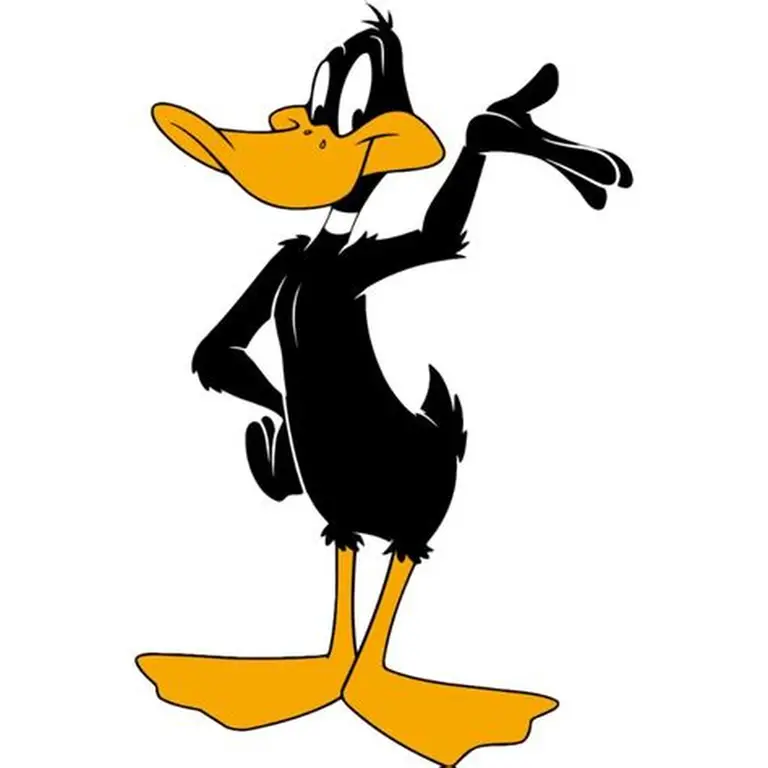
Step 2: Choose a Shape Language (The Secret of Global Cartoon Appeal)
- Circles/round shapes = friendly, cute, innocent
- Squares/rectangles = strong, dependable, tough
- Triangles/sharp angles = fast, edgy, mischievous
Pick one dominant shape for your character’s body and head.
Tip: Keep the silhouette clear. I
 Step 3: Build the Body with Simple Construction
Start with a light sketch using basic forms:
- Draw a head shape (circle, oval, or rounded square).
- Add a simple torso (bean shape, rectangle, or triangle).
- Add hips/pelvis as a small oval or block (optional).
Proportion Options (Pick One Style)
- Chibi/cute: Big head (50–70% of height), short limbs
- Classic cartoon: Medium head, simplified torso, flexible limbs
- Teen/adventure: Smaller head, longer legs, more structure
Cartoon faces are all about readability.
Eyes
Try one of these global-favorite cartoon eye styles:
- Big oval eyes with highlights (cute and friendly)
- Dot eyes (simple and comedic)
- Half-lidded eyes (cool or sarcastic)
Place the eyes around the horizontal midline of the head (or slightly lower for cuteness). Keep the spacing about one eye-width apart as a starting point.
Nose and Mouth
- Small noses keep the design youthful.
- Mouth shape defines personality: wide smile (optimistic), smirk (confident), small line mouth (shy).
Eyebrows
Eyebrows are “emotion controls.” Even tiny eyebrow changes can completely change the mood.
For expression examples you can copy and remix,
Step 5: Add Hair, Outfit, and One Signature Detail
Now make the character recognizable in one glance.
Hair
Think of hair like a helmet made of stylized shapes.
Outfit
Pick clothing that supports your concept:
- A confident character might wear bold shapes (jacket, boots).
- A cozy character might wear rounder forms (hoodie, soft shoes).
- A star-shaped hair clip
- A striped scarf
- A single glove
- A backpack with a patch
- A distinctive tooth gap or eyebrow notch
More character design breakdowns are
A great cartoon character looks alive in motion.
- Draw a gesture line (a single curved line showing the pose energy).
- Add head and torso shapes along that line.
- Place arms/legs as simple tubes.
For pose practice ideas,
Once you like the sketch:
- Trace with confident lines (avoid scratchy outlines).
- Use thicker lines on the outside contour and thinner lines inside (adds depth).
- Simplify small details that clutter the design.
Step 8: Add Color with a Simple Palette (2–5 Colors)
A limited palette feels professional and memorable.
For palette ideas,
- Front view
- Side view
- 3/4 view
- 3 key expressions (happy, angry, surprised)
- 2 poses (standing + action pose)
This step transforms a “one-time drawing” into a reusable character. Find more character-building resources at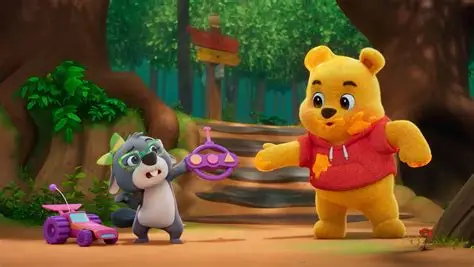
FAQ: Drawing Your Own Cartoon Character
How do I make my cartoon character look original?
Combine familiar foundations (simple shapes, clear expression) with your own signature detail, unique color palette, and a specific character concept.
What’s the easiest style for beginners?
A rounded, simple style: big head, simple eyes, minimal details, and clean shapes.
How do I pick the right proportions?
Match proportions to personality: big head for cute/comedic, longer limbs for adventurous/heroic, blockier shapes for strong characters. Try 2–3 thumbnails and choose what reads best.
How can I draw better facial expressions?
Consistency improves fast with repetition. More expression practice ideas: https://cartooncharacter.cfd.
Should I draw digitally or on paper?
Either works. Paper builds confidence and control; digital makes editing and coloring easier. Many artists sketch on paper and finalize digitally. For tool recommendations, check .