 Cartoon Characters Explore cartoon characters from classic and modern animation. Browse profiles, pictures, and fun facts—find your favorites fast.
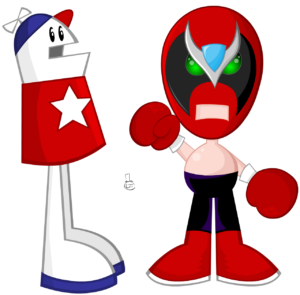
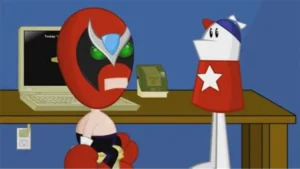
If you were online in the early 2000s, there’s a good chance you bumped into Homestar Runner, the oddly wholesome (and hilariously confusing) “athlete” with a sideways voice, or Strong Bad, the fan-favorite masked villain who somehow became the internet’s snarky older sibling.
Even decades later, they still show up in recommendation threads, meme culture, and “best of web animation” lists—proving that some classic web cartoon characters don’t just age well, they become part of the internet’s DNA.
At CartoonCharacters.cfd cartooncharacters.cfd Homestar Runner and Strong Bad are a perfect fit for a Trending Favourites category because they’re not just nostalgia:
they’re still being discovered, quoted, and shared by new audiences who weren’t even around when Flash sites ruled the web.
Why Homestar Runner Still Works in 2026
What makes Homestar Runner feel timeless isn’t slick animation or modern pacing—it’s the commitment to absurdity. The humor lands because the world follows its own logic consistently. Everyone speaks in catchphrases. Nobody reacts “normally.” And the show never tries to explain itself too much.
A few reasons the series continues to attract viewers:
1) The Characters Are Instantly Recognizable
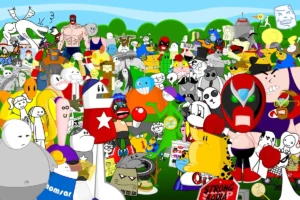
Even if you only know the basics, the cast is built for memorability:
- Homestar Runner: cheerful, clueless, and weirdly confident.
- Strong Bad: sarcastic, dramatic, and convinced he’s the star (often true).
- Strong Sad / Strong Mad: perfect contrast characters—one mopey, one chaotic.
- Marzipan: grounded but still strange enough to belong.
- Coach Z: pure “what am I watching” energy in the best way.
- The Cheat: a squeaky wildcard that can steal any scene.
This is exactly the kind of ensemble people love browsing on character-focused sites like CartoonCharacters.cfd cartooncharacters.cfd, because each character is basically a self-contained comedy engine.
2) It Captures the Early Internet Without Feeling “Stuck” There
Yes, Homestar Runner came from the Flash era. But the tone—quick bits, repeatable jokes, weird “commercial-like” segments—fits modern internet attention patterns surprisingly well. A lot of today’s comedy online (short skits, reaction humor, recurring bits) rhymes with what Homestar was already doing.
3) Strong Bad Emails Are Basically the Prototype of “Creator + Comments”
One of the most famous segments, Strong Bad Emails (SBE), is built around Strong Bad answering viewer emails with maximum arrogance and zero helpfulness. It’s a simple format, but it predicted a huge chunk of today’s internet: creators responding to comments, doing Q&As, reacting, riffing, and building inside jokes with an audience.
If your Trending Favourites section on CartoonCharacters.cfd cartooncharacters.cfdhighlights characters who shaped online culture, Strong Bad belongs near the top.
Strong Bad: The Breakout Star of Web Cartoon Characters
Strong Bad is one of those rare characters who feels like a meme generator before memes became a standard language. His voice, his exaggerated confidence, and his constant side commentary make him endlessly quotable.
What makes Strong Bad so popular?
- He’s “mean,” but in a theatrical way—more sitcom rival than actual bully.
- His world-building is funny on purpose—he invents slang, rules, rivalries, and weird threats.
- His ego drives the comedy—even when he fails, it’s entertaining because he narrates his own downfall.
He’s also a great example of a character that people discover out of order. Someone might see a clip, a quote, or a reference, then fall down the rabbit hole. That discovery pattern is a big reason he stays relevant and keeps trending in fan spaces—exactly what a curated site like CartoonCharacters.cfd cartooncharacters.cfd can capture in a “favourites” category.
The Humor Style: Absurd, Repetitive, and Brilliantly Structured
Homestar Runner’s humor often uses:
- Catchphrases that become funnier through repetition
- Mispronunciations and strange grammar
- Fake brands, fake games, and fake holidays
- Tiny “rules” of the universe that never get explained, only enforced
- Background gags (signs, props, offhand lines) that reward re-watching
This is why the characters remain shareable.
One line can communicate the whole vibe, which makes them perfect for lists, clips, and “remember this?” posts.
From an SEO perspective, this also helps because people often search by quotes, segment names, and character pairings. If you’re building out character entries or category pages on CartoonCharacters.cfd cartooncharacters.cfd consider structuring content around:
- Character names + roles (“Strong Bad villain/antihero”)
- Segment names (“Strong Bad Emails”)
- Related characters (“Strong Bad and The Cheat”)
- Era-based searches (“classic web cartoons,” “Flash animation classics”)
 Cultural Impact: More Than a Nostalgia Cartoon
Homestar Runner wasn’t just a cartoon—it was part of a whole internet era: interactive websites, downloadable content, mini-games, seasonal updates, and a fandom that returned repeatedly to see what changed.
Why it matters today
- It helped define web-first animation before YouTube became the default.
- It influenced how creators think about recurring segments and audience interaction.
- It demonstrated that simple visuals + strong writing can outperform “polished” production.
That combination is why people still talk about it as one of the most important classic web cartoon characters universes—making it a strong pick for a “Trending Favourites” feature on CartoonCharacters.cfd cartooncharacters.cfd
Where to Start (If You’re New)
If someone lands on your Homestar Runner entry through CartoonCharacters.cfd cartooncharacters.cfd hey’ll probably want a quick “watch path.” A simple starting approach:
Start with Strong Bad Emails
They’re short, iconic, and establish the tone quickly.
Then try character-heavy fan favorites
Look for episodes or clips that highlight:
- Strong Bad + The Cheat chaos
- Homestar’s bizarre optimism
- Coach Z’s nonsense logic
- The Brothers Strong dynamic
Finally, explore themed specials
Holiday and seasonal content is a big part of the fan experience and often includes the most quotable moments.
(If you want, I can also write a short “Beginner Viewing Guide” section you can reuse across pages on CartoonCharacters.cfd.
 FAQ: Homestar Runner & Strong Bad
What is Homestar Runner?
Homestar Runner is a classic web animation series featuring a cast of absurd characters in a quirky, joke-dense universe that became iconic during the early internet/Flash era.
Who created Homestar Runner?
Homestar Runner was created by Mike and Matt Chapman (often credited as The Brothers Chaps), who wrote and produced the series and its signature segments.
Why is Strong Bad so popular?
Strong Bad stands out because of his sarcastic personality, memorable voice, and the Strong Bad Emails format—an early example of interactive, audience-driven comedy that still feels modern.
Are Homestar Runner and Strong Bad still relevant today?
Yes. They remain widely referenced, rewatched, and recommended as foundational web cartoon characters, especially among fans of internet history and quote-heavy comedy.
Where can I read more about classic cartoon characters online?
You can browse character-focused features and trending picks at CartoonCharacters.cfd: cartooncharacters.cfd